When people think about personal injury claims, they often assume that liability rests solely with the individual or entity directly responsible for the accident. In many straightforward cases, this may be true. However, complex injury cases frequently involve multiple contributing factors and parties whose actions may have played a role in causing or worsening the incident. Because of this, experienced law firms often conduct extensive investigations to identify secondary sources of liability that may not be immediately apparent. These additional sources can significantly affect the outcome of a claim by expanding the scope of responsibility and increasing the resources available to compensate injured individuals.
Understanding Secondary Liability
Secondary liability refers to responsibility that extends beyond the primary party involved in an accident. For example, a vehicle collision may initially appear to be the fault of a negligent driver, but further investigation could reveal that an employer, vehicle manufacturer, maintenance provider, property owner, contractor, or other third party contributed to the circumstances that led to the crash. Identifying these additional sources of liability is often an important part of building a comprehensive personal injury case. Law firms routinely examine whether factors beyond the immediate incident may have played a role in causing the injuries.
Conducting a Thorough Investigation
The process of identifying secondary liability begins with a detailed investigation of the accident. Attorneys and investigators review police reports, witness statements, photographs, surveillance footage, medical records, and other available evidence. They often analyze the sequence of events leading up to the accident and look for indications that multiple parties may have contributed to the outcome. This investigation may reveal overlooked issues such as inadequate maintenance, defective products, unsafe property conditions, negligent hiring practices, or regulatory violations that could create additional avenues for liability.
Examining Corporate and Employer Responsibility
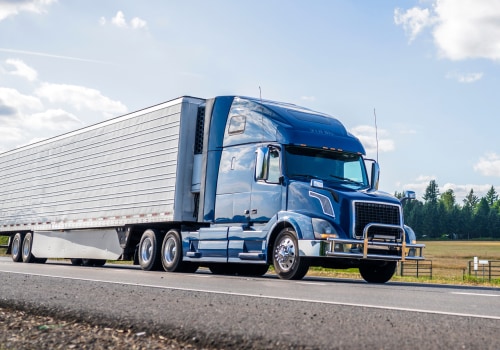
In many complex injury cases, employers and businesses may bear responsibility for the actions of employees or contractors. Commercial vehicle accidents, construction incidents, and workplace-related injuries frequently require an examination of company policies, training procedures, supervision practices, and safety compliance efforts. If an employer failed to enforce proper safety standards or knowingly allowed unsafe conditions to exist, that organization may become a secondary source of liability. Investigating these relationships often requires obtaining employment records, internal communications, maintenance logs, and other documentation.
Evaluating Product and Equipment Defects
Defective products and malfunctioning equipment are another common source of secondary liability. An accident that initially appears to result from human error may actually involve a defective vehicle component, faulty machinery, inadequate safety equipment, or a dangerous design flaw. Law firms often work with engineers, accident reconstruction specialists, and industry experts to determine whether a product defect contributed to the incident. If so, manufacturers, distributors, or maintenance providers may become additional parties in the claim.
Identifying Property-Related Factors
Premises liability issues can also play a significant role in complex injury cases. Poor lighting, hazardous walking surfaces, inadequate security measures, code violations, or negligent property maintenance may contribute to accidents and injuries. Individuals who were injured in an accident in Greenwood Village or another location may discover that a property owner or management company shares responsibility alongside the primary at-fault party. Investigating these conditions often requires site inspections, maintenance records, and expert evaluations.
Why Secondary Liability Matters
Identifying secondary sources of liability is important because it provides a more complete picture of how an accident occurred. Multiple parties may share responsibility for creating unsafe conditions, and holding all responsible entities accountable can strengthen a claim. Additional liable parties may also provide access to insurance coverage or financial resources that would otherwise be unavailable. This can be particularly important in cases involving severe injuries and substantial damages.
Building a Stronger Personal Injury Case
Ultimately, investigating secondary sources of liability is a critical component of handling complex injury cases. By looking beyond the most obvious cause of an accident, law firms can uncover contributing factors that might otherwise go unnoticed. Through detailed investigations, expert analysis, and careful examination of the evidence, attorneys help ensure that all responsible parties are identified and that injury claims are evaluated based on the full scope of the circumstances involved.